
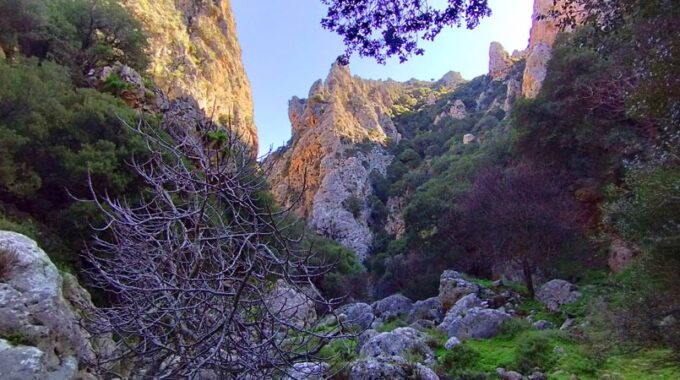
Andrianos Gorge
Adrianos Gorge in Lasithi: Crete’s Well-Kept Secret
The Adrianos Gorge in Lasithi is one of those destinations that Crete’s insiders keep as a well-guarded secret. If you are looking for the tourist hordes of Samaria, you are in the wrong place. Here, Eastern Crete reveals its wild, authentic, and somewhat solitary character.
The Settlement of Adrianos: Where Time Stood Still
Before beginning your descent, it is worth spending some time in the namesake settlement. Adrianos is a small, picturesque village built at an altitude of about 300 meters, positioned strategically to overlook the area of Potamoi and Neapoli.
Atmosphere: The settlement balances between abandonment and rebirth. Many stone houses are now ruins, yet their architecture bears witness to the glory of the past.
Sights: The Church of Agios Georgios dominates the village, while the few remaining residents (and those who return on weekends) maintain traditional Cretan hospitality.
Blog Tips: Locals on social media often mention that the view from the village toward the gorge is the perfect appetizer before the hike.
Crossing the Gorge: Details & Experience
The Adrianos Gorge connects the village with the plain of Neapoli. This is not an easy path with benches and signage every 100 meters; it is an adventure.
1. The Starting Point and Landscape
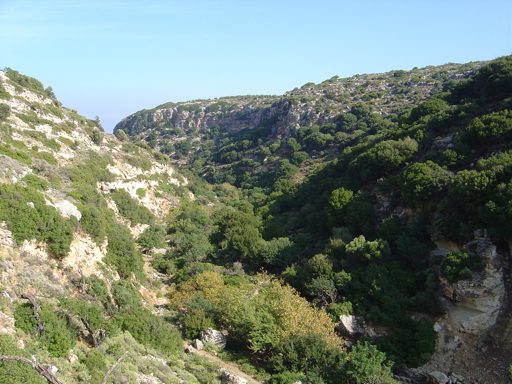
The entrance is located near the Adrianos settlement. The landscape shifts rapidly from dry and rocky to an oasis of greenery. You will encounter oleanders, plane trees (where there is moisture), and many aromatic Cretan herbs such as thyme and sage.
2. The Technical Part
Crossing the gorge takes approximately 2 to 2.5 hours, depending on your pace.
Difficulty Level: Moderate to Difficult. The gorge has several narrows and spots where you will need to use your hands to climb over large boulders (scrambling). At one point, there is a steep rock-slide featuring a 5-meter knotted rope that you must use to continue. This section is challenging without a relatively good level of physical fitness, as upper body strength is required. While there is marking in some areas, many sections lack signage, requiring you to carefully choose the appropriate passage.
The Terrain: In many places, the riverbed is filled with large cobbles (rounded stones) that are slippery, especially after rain.
The Walls: In certain spots, vertical limestone walls rise imposingly overhead, providing natural shade and a sense of awe.
3. The Exit
The gorge ends in the Neapoli area near a borehole and a farm road that leads back to the asphalt and the starting point. The route through the gorge is downhill, but the strain on the knees is significant due to the uneven terrain.
Technical Specifications at a Glance (for the Gorge crossing)
| Feature | Description |
| Gorge Length | Approx. 4–5 kilometers |
| Duration | 2 – 2.5 hours |
| Best Season | Spring (for the blossoms) or Autumn |
| Equipment | Hiking boots (essential), trekking poles, plenty of water |
| Signage | Inconsistent – requires attention and potentially a GPS/Track |
Essential Tips
Watch the Weather: Do not attempt the crossing if rain is forecast. The gorge acts as a natural water conduit, and the risk of a flash flood is real.
Silence: Hikers on various blogs emphasize that the lack of crowds makes the experience almost meditative. You are likely to meet only a few goats climbing the rocks with incredible ease.
Combined Trip: Many suggest combining the visit with a stroll through neighboring Neapoli for a glass of the famous soumada (a traditional almond cordial) to recharge after the hike.
Important: Because the path is not always clear, you will need to scan the gorge bed to choose the best possible passage. It is advisable to go with a group or inform someone of your entry time.
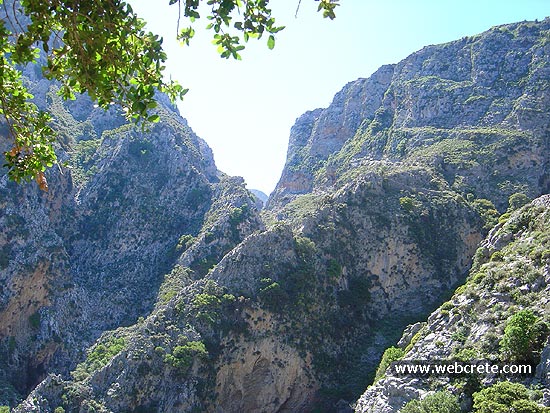
This route which we recommend is one of the most exciting hikes in eastern Crete…
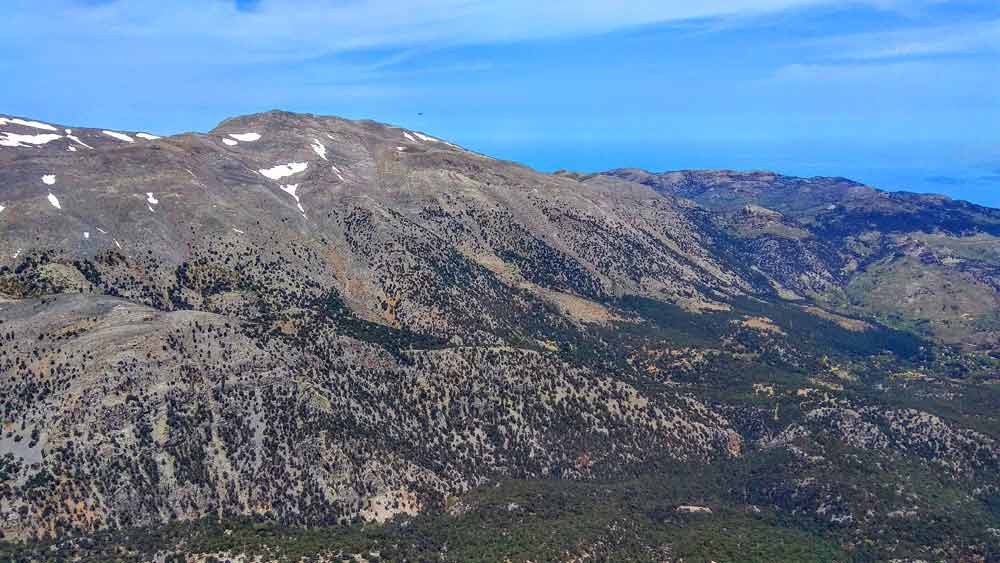
Just before the Lapathos plateau we head northeast on a dirt road and proceed uphill…
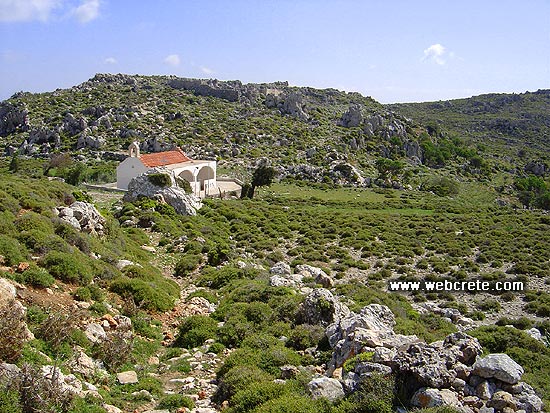
One of the most spectacular hikes of eastern Crete is the route of extremely beauty…
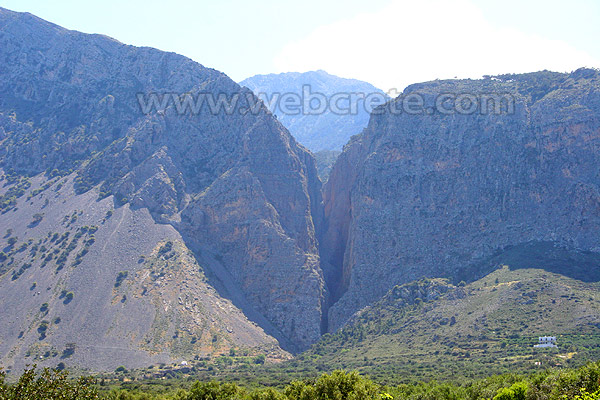
Ha Gorge is a canyon on the eastern part of the island of Crete in…
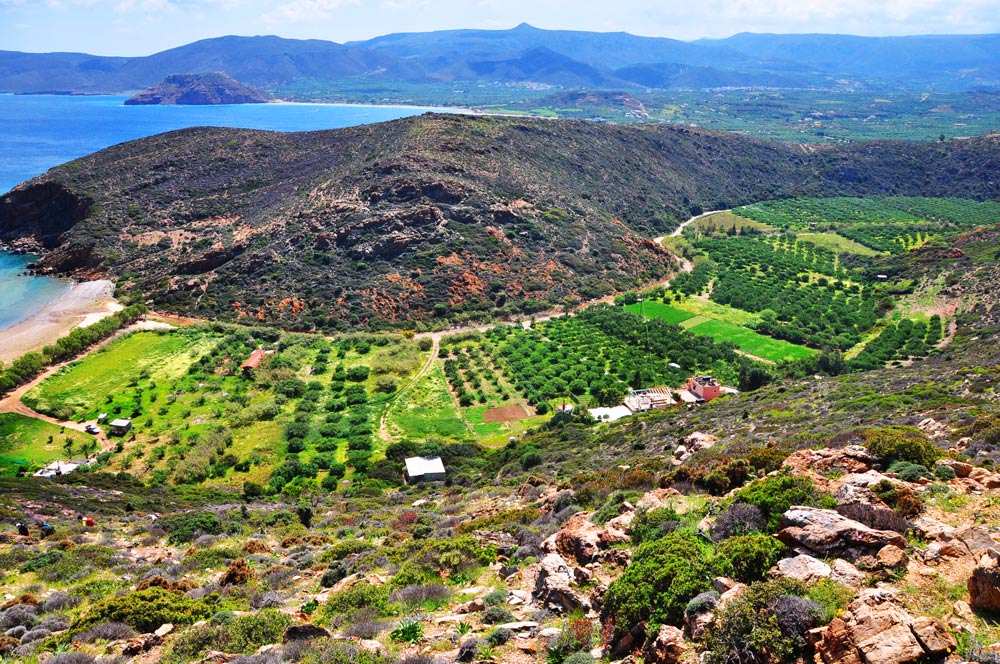
At the coastal region south of Palm Beach Vai, the nature hides some treasures almost…
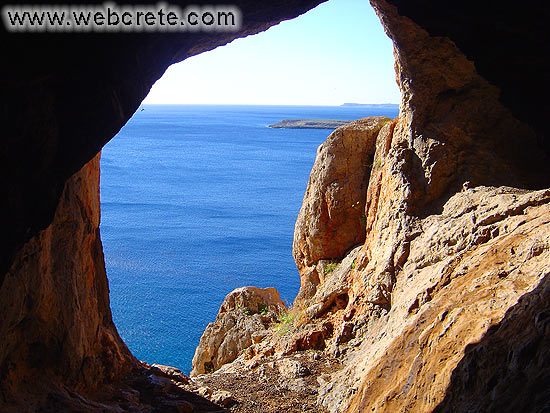
If you desire to be acquainted of eastern Crete, don’t forget to visit Xerokambos, a…
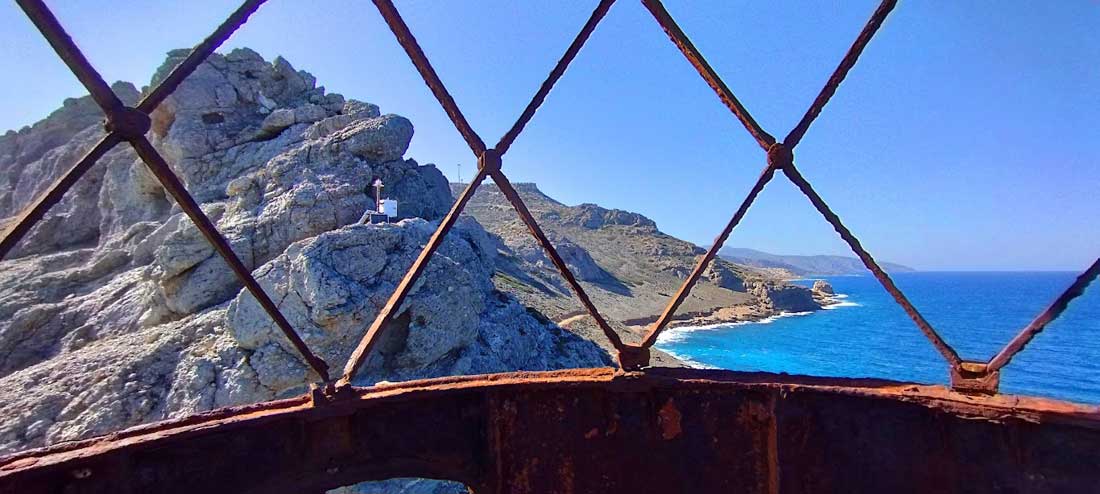
From the village of Vrouchas we drive downhill on a narrow cement road at the…
Though it is unknown, it is very beautiful and impressive. It is relatively easy to access.…
From the small settlement of Katharo located on the northern edges of the plateau and…
Related Articles


This Post Has 0 Comments