
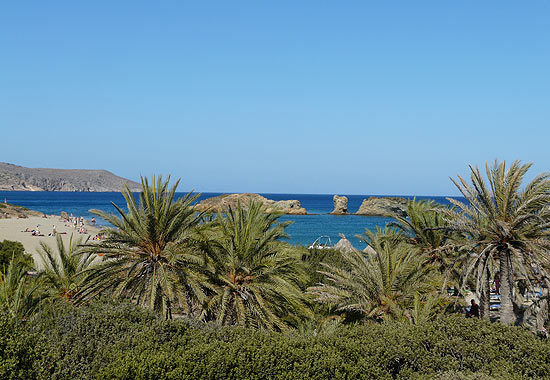
Vai Palm Beach
Vai – The Palm Forest and Beach at the Eastern Tip of Crete
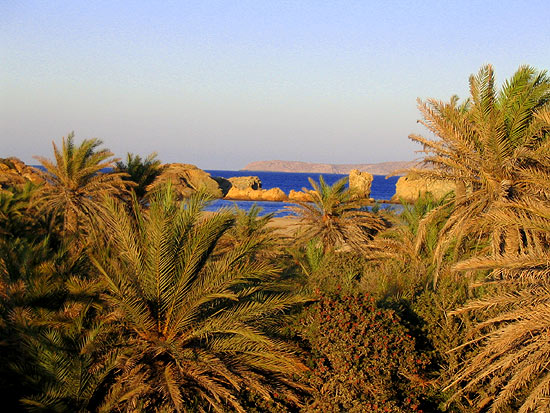
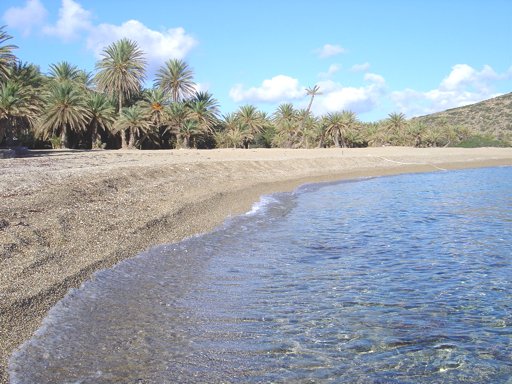
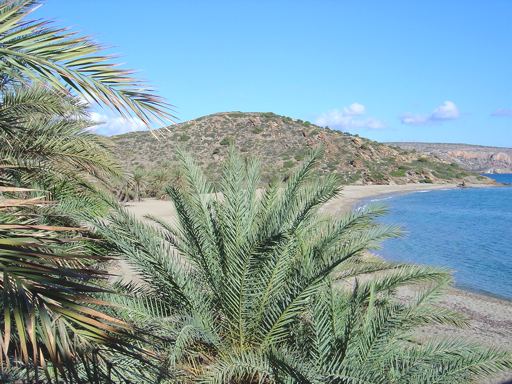
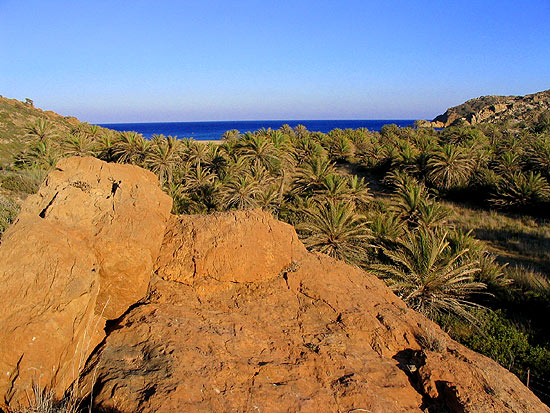
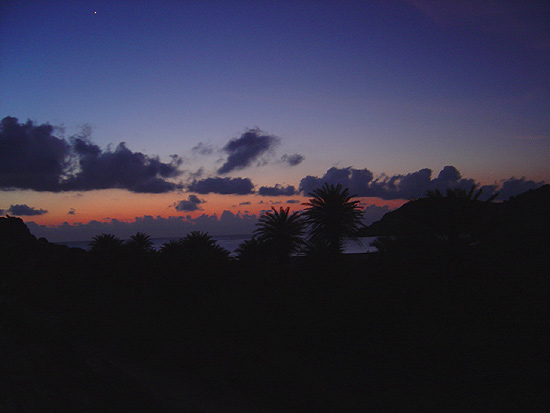
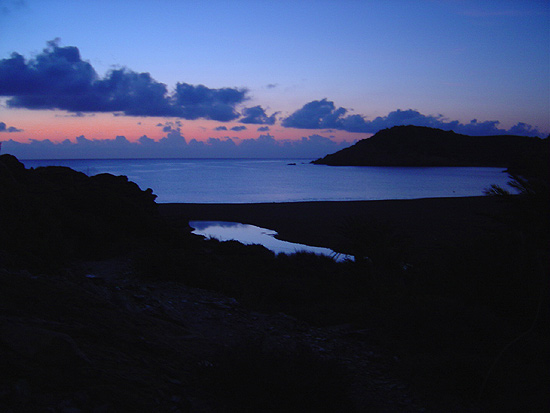
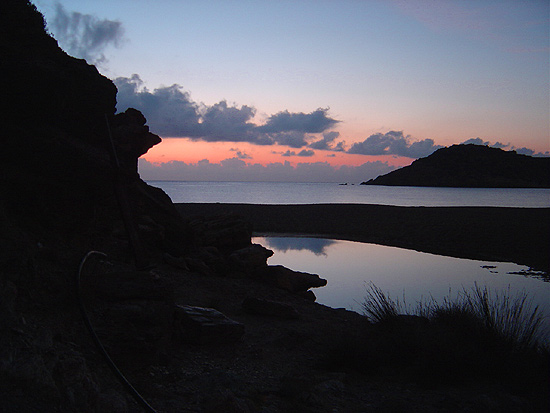
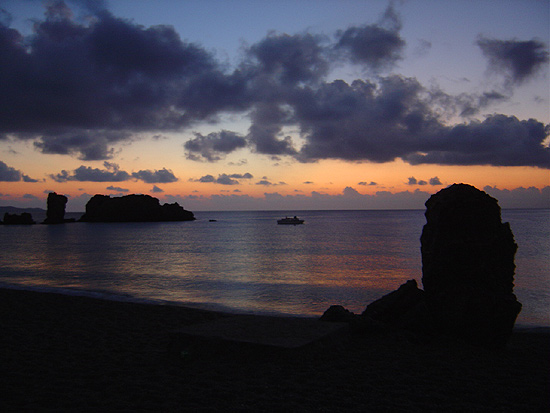
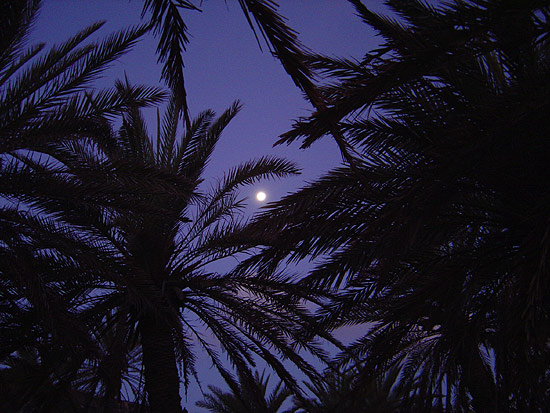
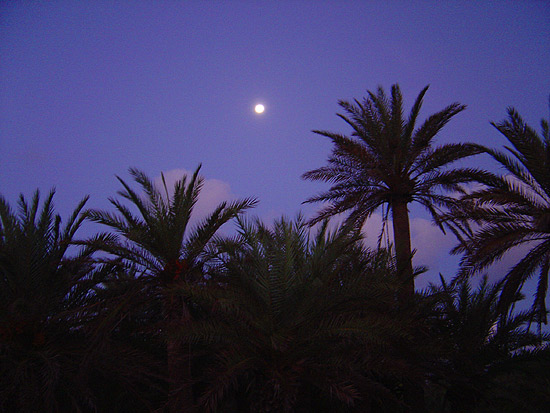
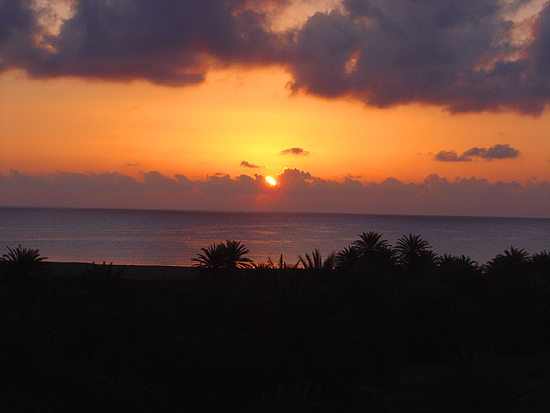
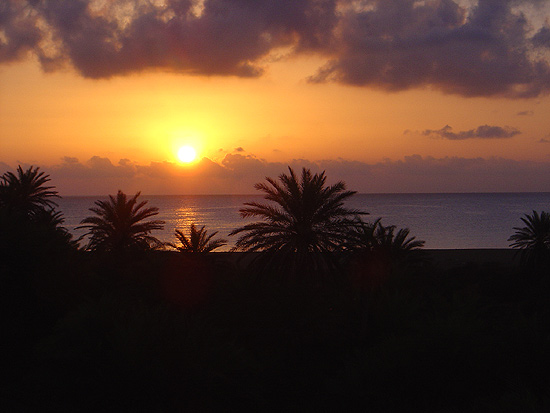
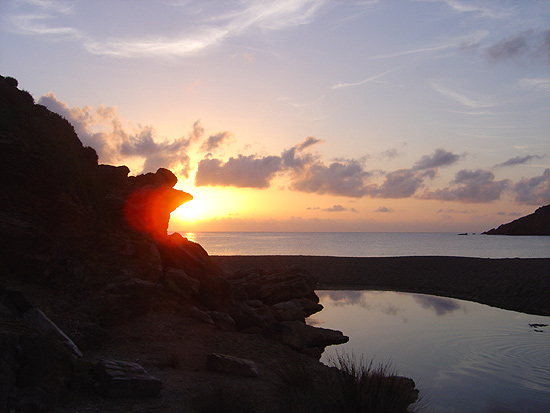
In eastern Crete, in the regional unit of Lasithi, near the village of Palekastro, lies one of the most impressive natural landscapes of the Mediterranean: the palm forest and beach of Vai. This is a unique location where the largest natural palm forest in Europe meets an exotic sandy beach beside the crystal-clear waters of the Karpathian Sea.
History and Origin of the Palm Forest
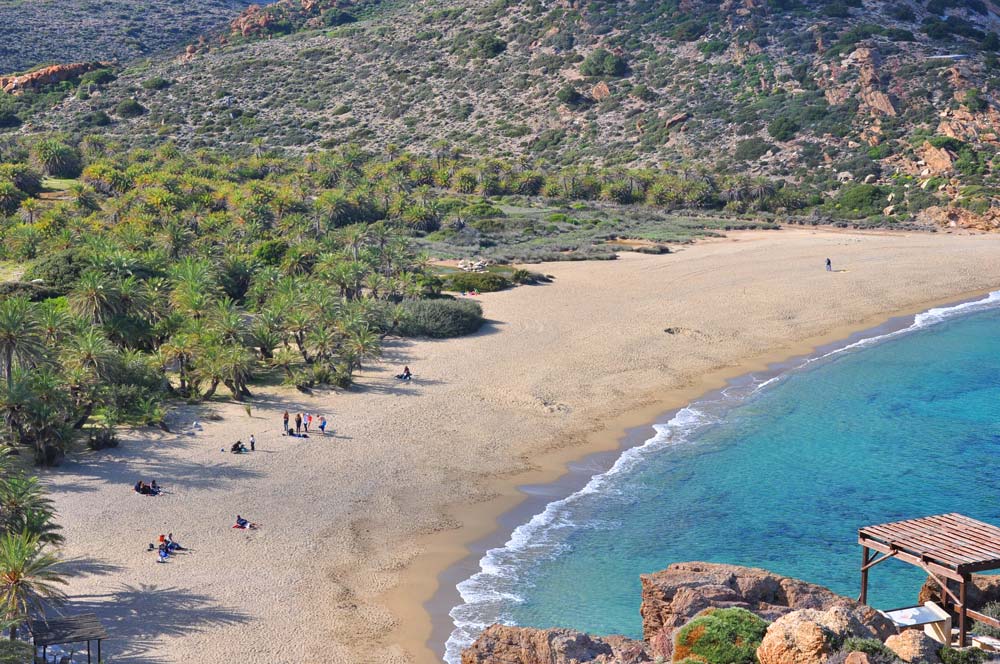
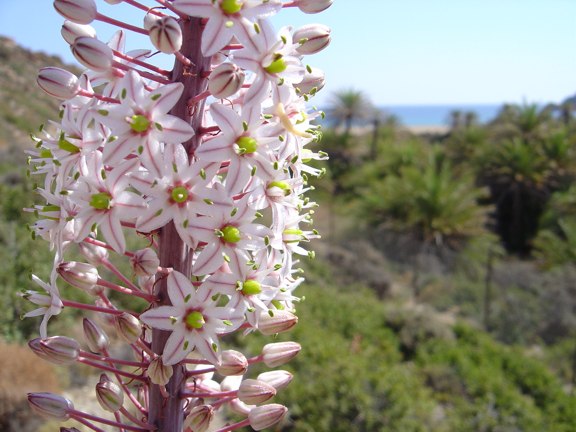
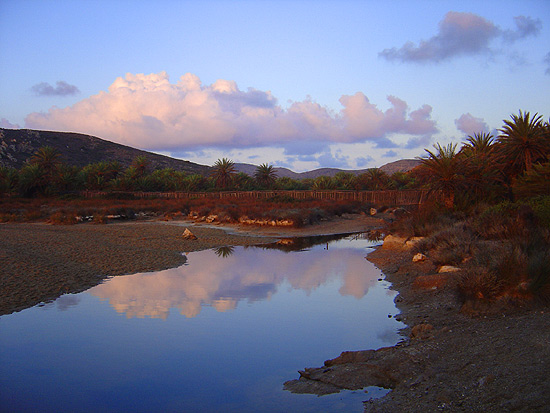
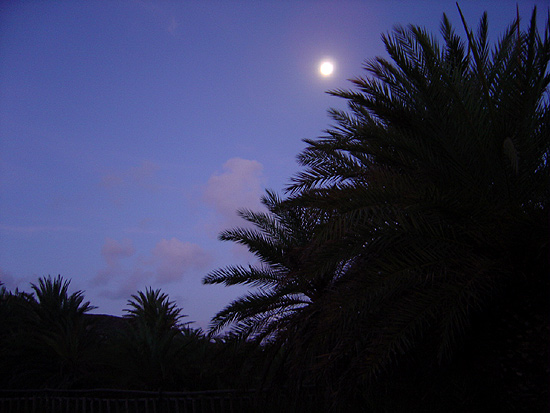
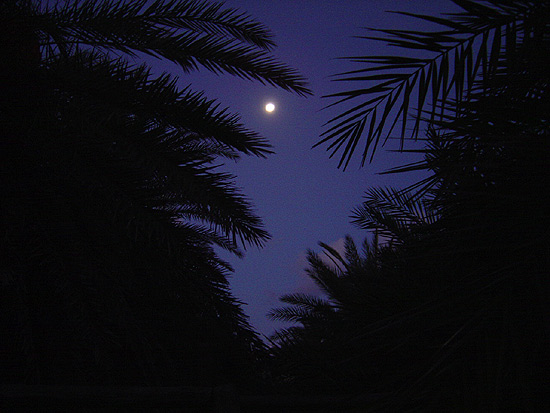
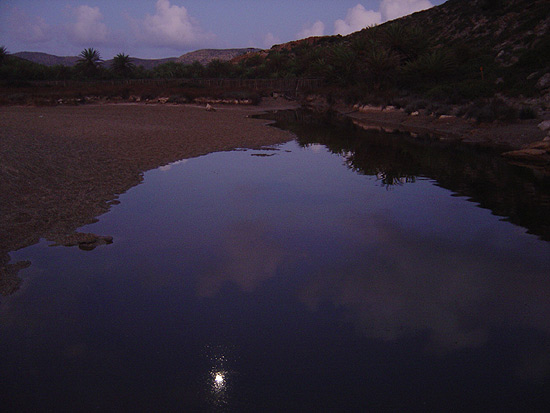
It is called “Vai” from the word *vai* (meaning palm), and the area hosts more than 5,000 trees of the endemic species Cretan date palm (Phoenix theophrasti), making it famous worldwide. The forest spreads across a wide valley fed by underground springs and a local stream, which has helped it survive here for centuries.
There are several stories and legends about how the palms were planted. An old tradition claims that Arab pirates or Phoenician merchants left date pits in the area, which sprouted and created the forest. Today it is considered more likely that the palm grove has a natural origin and has been known since ancient times.
A Recognized Protected Area
The Vai palm forest was designated an Aesthetic Forest in 1973 — a form of protection for natural areas with rare flora and fauna in Greece. Today the forest is fenced and open to the public only during daytime, in order to protect it from damage and uncontrolled use.
How It Became Known to the Public
Until the early 1970s, Vai was relatively unknown even to locals. Its great publicity came when a television commercial for Bounty chocolate bars was filmed there, featuring palm trees and exotic scenery reminiscent of the Caribbean. In the advertisement, coconuts fell from the trees, even though the palms of the area produce only dates. The commercial made Vai known worldwide, and new visitors began arriving for holidays, traveling even from abroad.
During the 1970s and 1980s, many hippies and later backpackers became regular visitors, resulting in environmental pressure and pollution. This led, in the following decades, to stricter protection of both the forest and the beach.
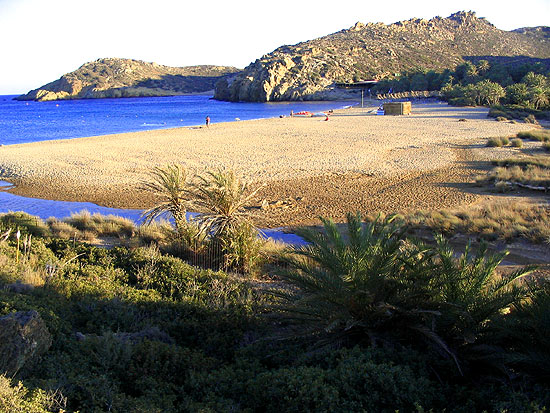
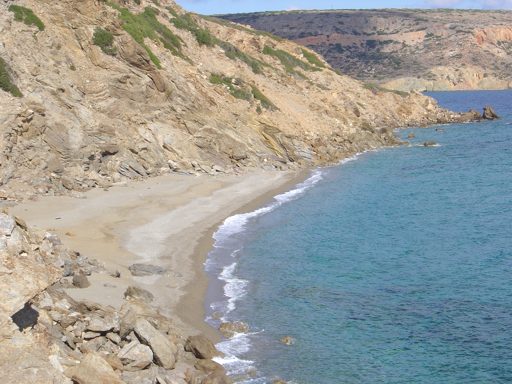
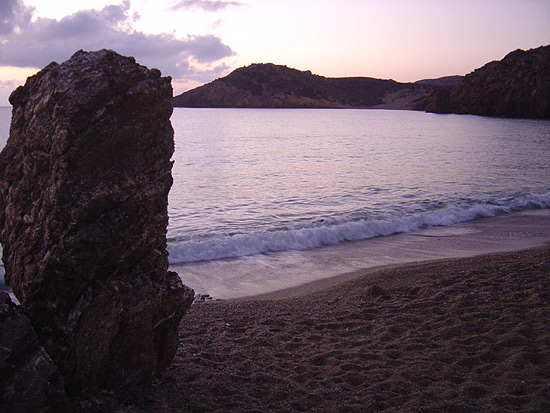
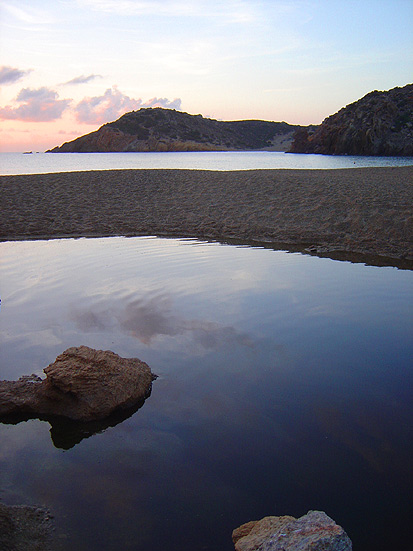
The beach of Vai is a large sandy beach with fine sand and turquoise waters, awarded the Blue Flag for the quality of its sea and its environmental standards. Its crystal-clear waters and shallow seabed create ideal conditions for swimming and sunbathing.
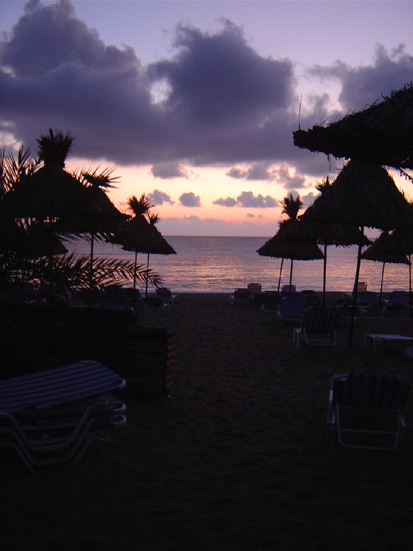
Today, the beach is moderately organized with umbrellas, showers, restrooms, snack bars, and water-sports facilities, always within the restrictions established for environmental protection.
Access is via road and there is a parking area, but staying overnight and camping inside the palm forest are prohibited for conservation reasons.
Vai is a unique natural monument in Europe — a combination of rare palm forest and exotic beach in the heart of the Mediterranean. Its history is linked with legends, vintage advertising, and the need for environmental protection, while today it remains one of the most popular destinations for visitors from around the world.
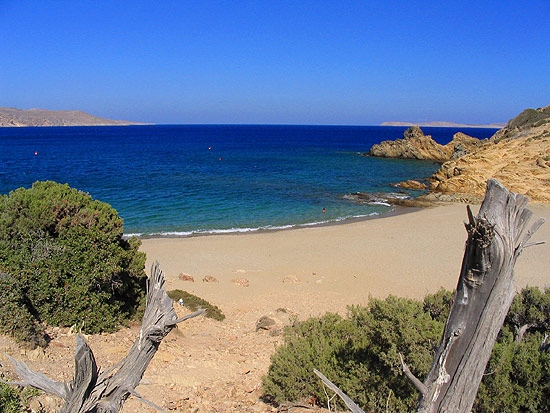
Psili Ammos
Psili Ammos is located 155km east of Hrraklion and 8km east of Palekastro Village. In order to reach this remote beach, you…
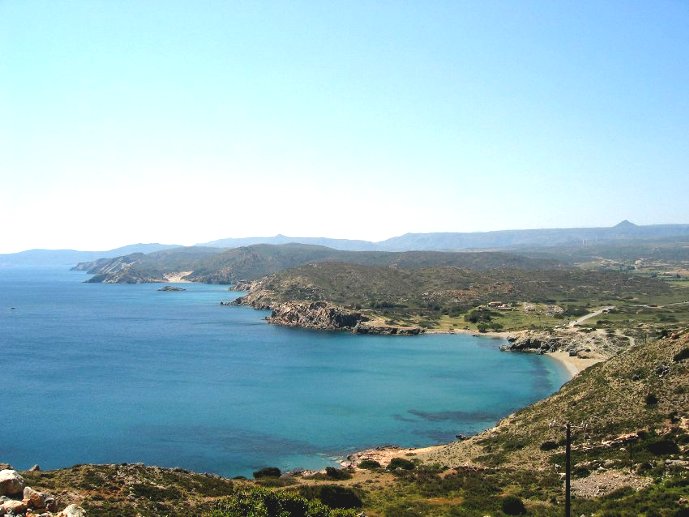
Itanos Beaches
Itanos beaches are located 2 km north from Palm beach Vai, 8 from Palekastro and 26 from Sitia. The sandy…
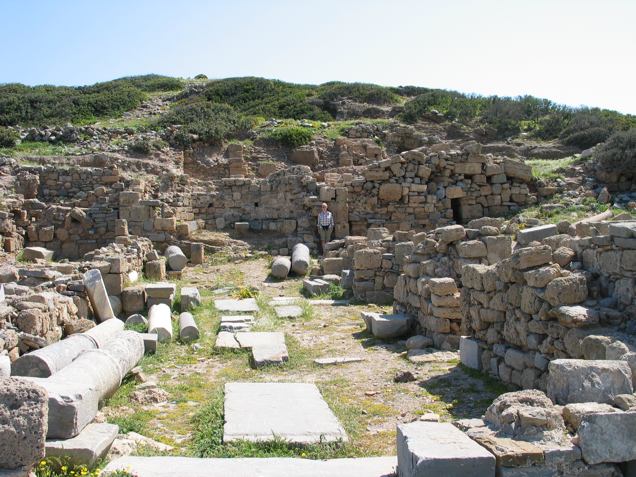
Ancient Itanos
Itanos is a city-harbour located 9km far from Palekastro village, Eastern Crete. The site had an important maritime role as…
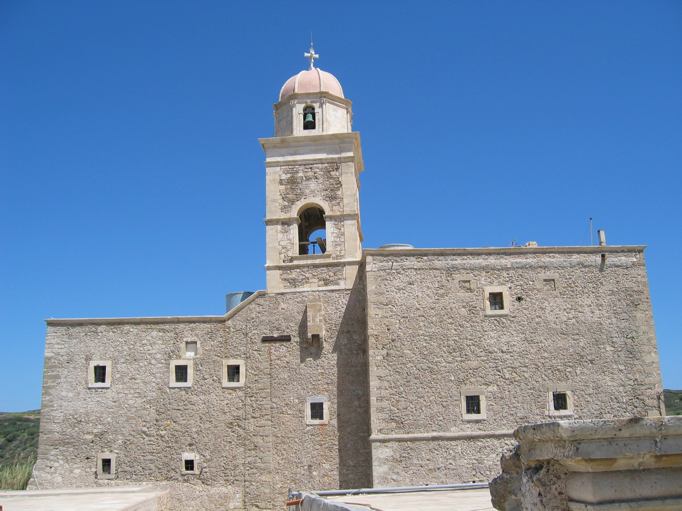
Toplou Monastery, Sitia
Toplou Monastery (Greek: Μονή Τοπλού) is a 15th-century monastery located in a dry and barren area in the Lasithi regional…
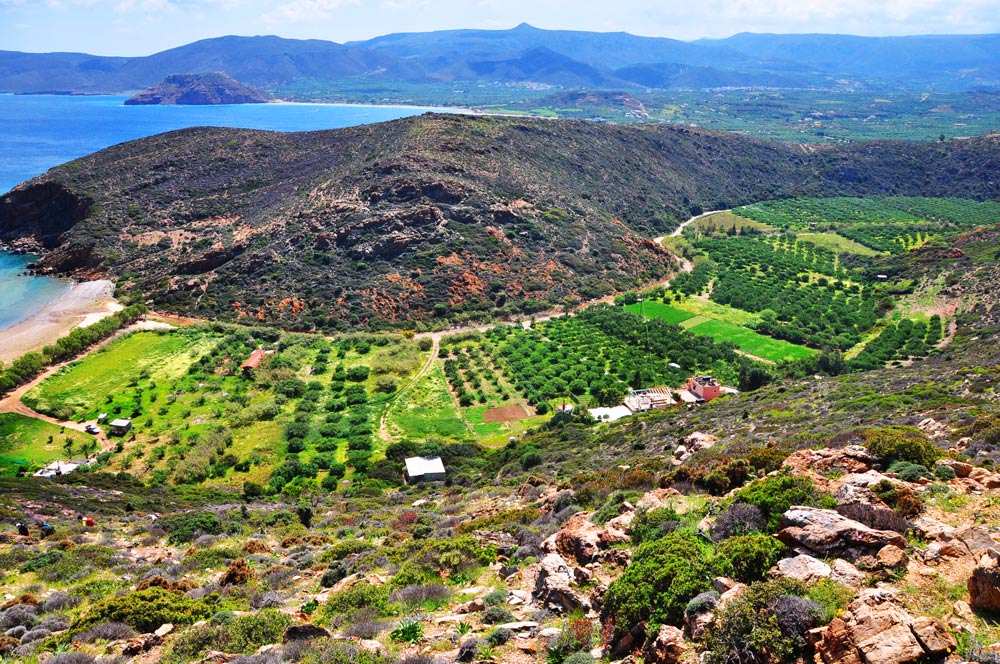
Vai-Palekastro
At the coastal region south of Palm Beach Vai, the nature hides some treasures almost totally unknown to the visitors…
Related Articles


This Post Has 0 Comments